By Glorah Kamwamu
We hit the road out of Kakamega town with great music and even better company. It’s supposed to be a 30-minute drive, but traffic throws us a curveball just past Mumias town — the road is under construction, getting a well-deserved upgrade. No big deal, though; we’re in no rush. It just means 15 more minutes of window-gazing and people-watching.
Once we turn onto the Busia-Mayoni Road, it’s a smooth ride. About five minutes in, we spot the Centre on the right. The gate’s wide open — no guards, no formalities. For a moment, we wonder if we’ve arrived too early, but there’s a calm hum of activity in the background.
We’re welcomed by a warm smile from a lovely lady who points us toward a sleek, modern building — part library, part museum, and full of history. That’s where we meet our guide, a young man beaming with Wanga pride. With a grin, he tells us we’re standing where the King usually receives visitors. We joke about meeting royalty, but today, the King is away on other duties. He promises that if we wait a little longer, we might get a chance to meet him. I am thinking, that’s business and we get it.
Entry is an affordable 200 bob per person, and just like that, we’re immersed in history. Family lineages, dynasties, and the structure of ancient leadership unfold before us like a living documentary.
Then it’s on to the museum — and it’s fascinating. Royal regalia, centuries-old cookware, battle-worn weapons, and traditional jewelry once worn by elders — each item tells a story. One highlight: future kings once had to kill a leopard before ascending the throne. Intense.
There’s a compelling mix of the ancient and the modern — black-and-white portraits of former kings sit beside vibrant images of the current one. And tucked in one corner? The first Kenyan flag flown by Joseph Thompson in 1883. Goosebumps.
Next, we head to the Mausoleum. This is where the air shifts — quiet, reverent. Here lie past Wanga kings: Nabongo Wamukoya, Shiundu, Shitawa, and the revered Nabongo Mumia. And further off, resting on a solitary mound, is Nabongo Wanga himself, the founding king from the 1100s. It’s a powerful moment.
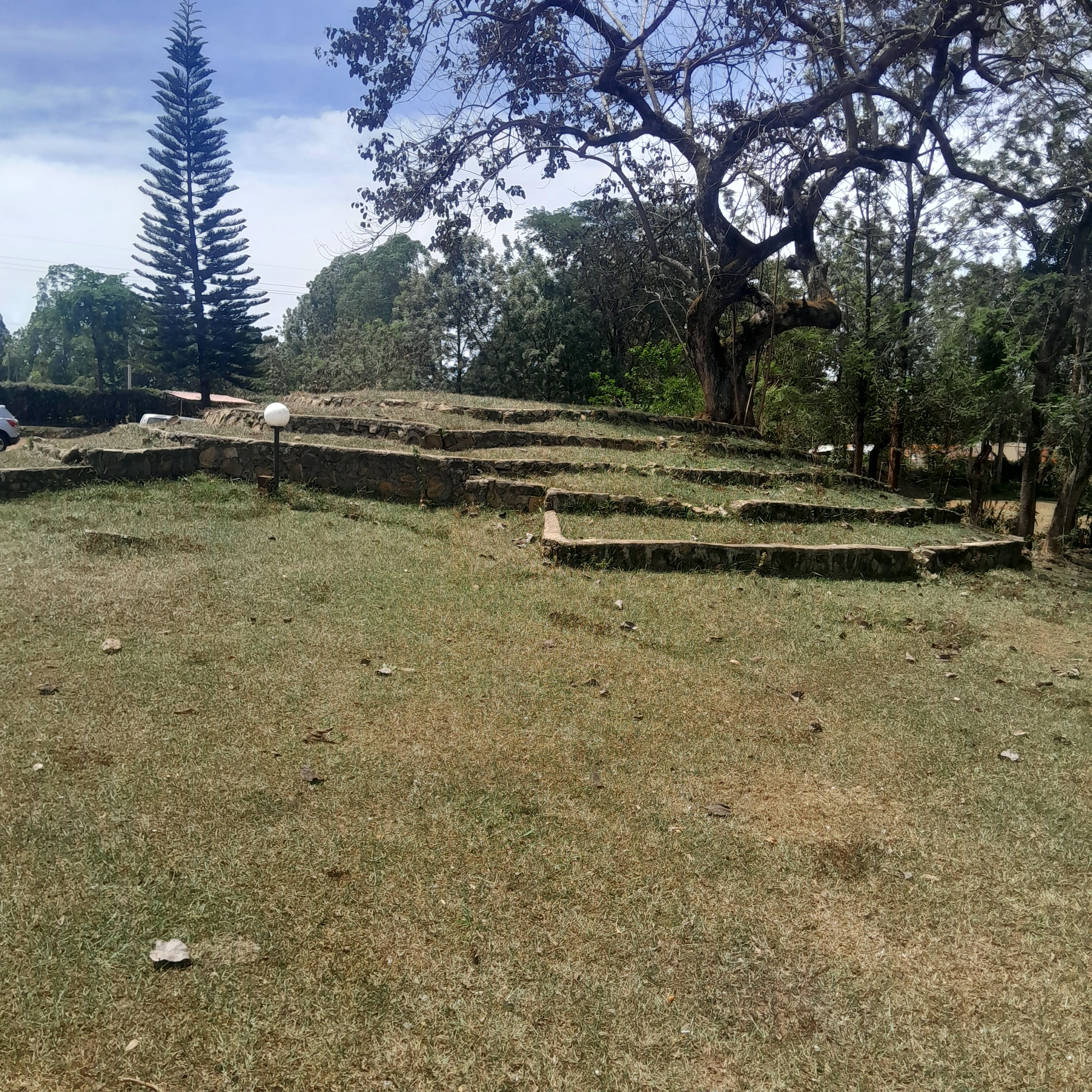
We climb a raised platform that overlooks the entire Centre — once the spot where kings addressed the people. Naturally, we strike a pose and take a few photos, soaking in the view.
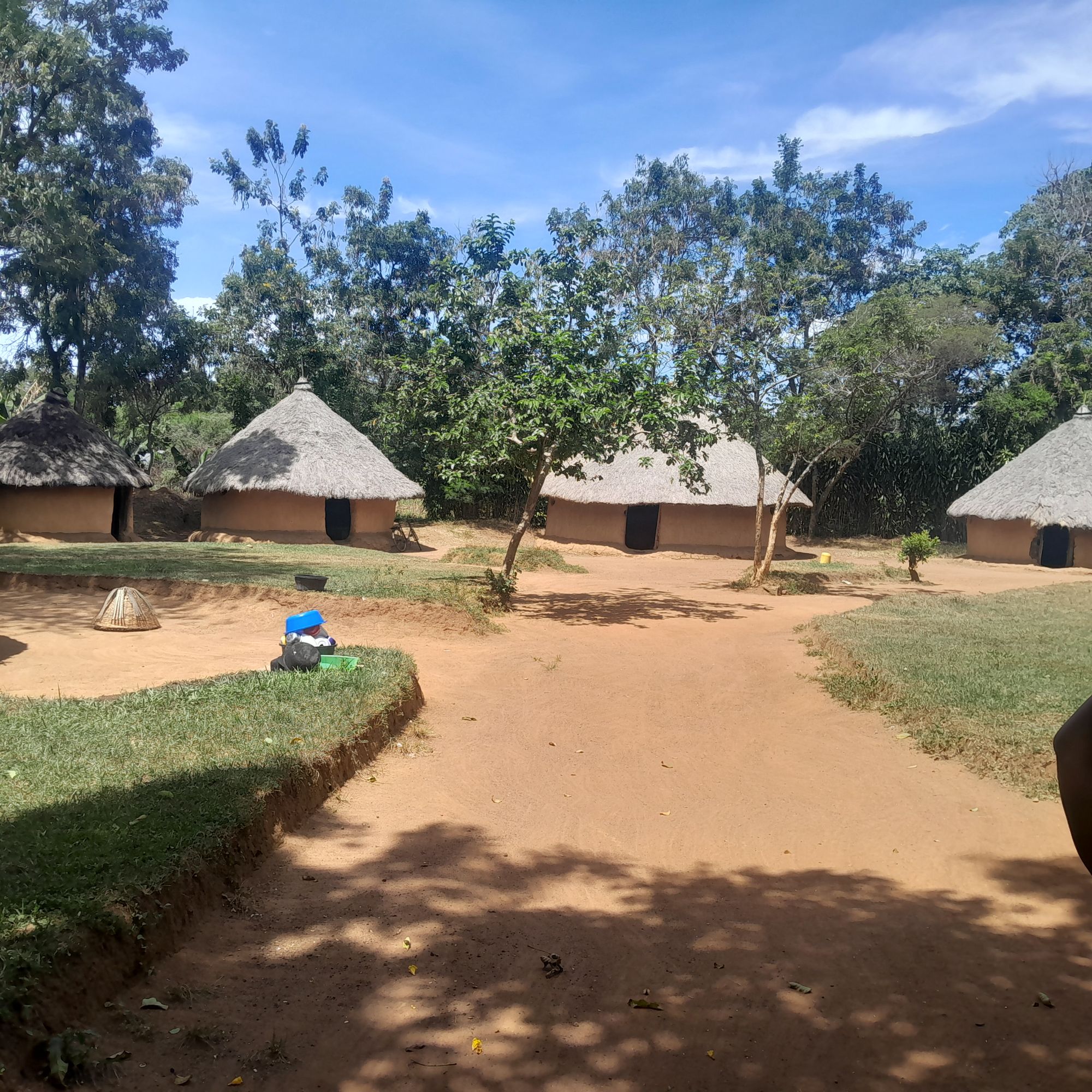
Nearby, there’s a traditional Wanga homestead — complete with mud walls, cow dung plaster, and reed roofing. This is also where guests can try the classic busaa, a local brew. We opt out, but a few locals are happily enjoying their cups.
Finally, hunger calls. We wrap up our tour at the on-site restaurant — contemporary in design but still warm and welcoming. Staying true to our Luhya roots, we go big: a full chicken, a generous helping of ugali, and greens on the side. It’s served communal-style, just like home. Satisfied and deeply enriched, we say our goodbyes to the Centre — a place where deep ancestral heritage meets the rhythm of modern life. What a journey.


Leave a comment